
How Artificial Intelligence Is Changing the Way Brands Connect: AI in Marketing Artificial intelligence has moved from being an experimental concept to a practical tool in modern marketing. AI is now being used by businesses of all kinds to better understand how customers behave, improve campaigns, and provide experiences that are more relevant to them. AI is now available to startups and small teams, making it a key driver of marketing growth and efficiency. Previously, AI was only available to large corporations. At its core, AI aids marketers in accurately and quickly analyzing large amounts of data. Modern consumer data is often too fast and too complicated for traditional methods. On the other hand, AI systems are able to process patterns from a variety of sources, including purchase histories, social media, email campaigns, and websites. This allows marketers to make informed decisions based on real-time insights rather than assumptions.
Scale Personalization Personalization is one of the most significant applications of AI in marketing. Customers expect content and offers that match their interests and behavior. By monitoring interactions and anticipating preferences, AI makes this feasible. AI ensures that every customer has a more relevant experience, from personalized email subject lines to product recommendations on e-commerce platforms. AI-driven personalization, in contrast to manual segmentation, continuously adapts. AI systems automatically update recommendations as customer behavior changes. Over time, this dynamic strategy strengthens customer relationships, increases conversion rates, and enhances engagement. Better campaign and advertising optimization AI has improved performance tracking and targeting in digital advertising. Ad creatives can be optimized based on performance data, bids can be automatically adjusted, and high-intent audiences can be identified by AI-powered platforms. This improves return on investment and reduces wasted advertising budget. Marketing teams can also use AI to test multiple campaign variations at once. Instead of running long A/B tests, AI tools quickly analyze which messages, visuals, or channels perform best and scale successful elements faster.
Optimization and Creation of Content AI tools are increasingly being used to support content marketing efforts. While human creativity remains essential, AI can assist by generating ideas, optimizing headlines, analyzing keyword opportunities, and improving readability. This helps marketers produce content that aligns with search intent and audience expectations.
Content performance is also evaluated by analytics powered by AI. Marketers can see which topics drive traffic, how users interact with pages, and where improvements are needed. This data-driven approach leads to more effective content strategies over time.
Predictive Analytics and Information on Customers In marketing, customer comprehension has always been a top priority. This is made better by AI’s predictive analytics. AI can predict customer behavior, such as purchase likelihood, churn risk, and preferred communication channels, by analyzing historical data. Marketers can more strategically plan campaigns thanks to these insights. Businesses, for instance, can identify customers who are likely to leave and take preventative measures to keep them. Marketing moves from being reactive to being proactive through the use of predictive models. Chatbots and Conversational Marketing
Chatbots powered by AI are now a crucial customer interaction tool. They respond immediately, help customers select products, and support lead generation round-the-clock. This improves customer experience while reducing the workload on support teams.
Tools for conversational AI can learn from interactions, understand intent, and provide personalized responses. This makes digital conversations more natural and effective.
Ethical Challenges and Considerations Despite its advantages, AI in marketing comes with challenges. Bias, data privacy, and transparency are major concerns. AI tools must be used responsibly and in accordance with data protection laws by businesses. Human oversight is still crucial. AI should help make decisions, not take the place of ethical judgment. Clear guidelines and regular monitoring help maintain trust and credibility.
The Road Ahead
As technology advances, AI in marketing will continue to develop. Businesses that invest in learning and adapting to AI tools will gain a competitive edge. The focus will shift toward smarter automation, deeper personalization, and more meaningful customer engagement.
AI is no longer an optional upgrade. It has become a foundational element of modern marketing strategies, shaping how brands communicate, compete, and grow in a digital-first world.
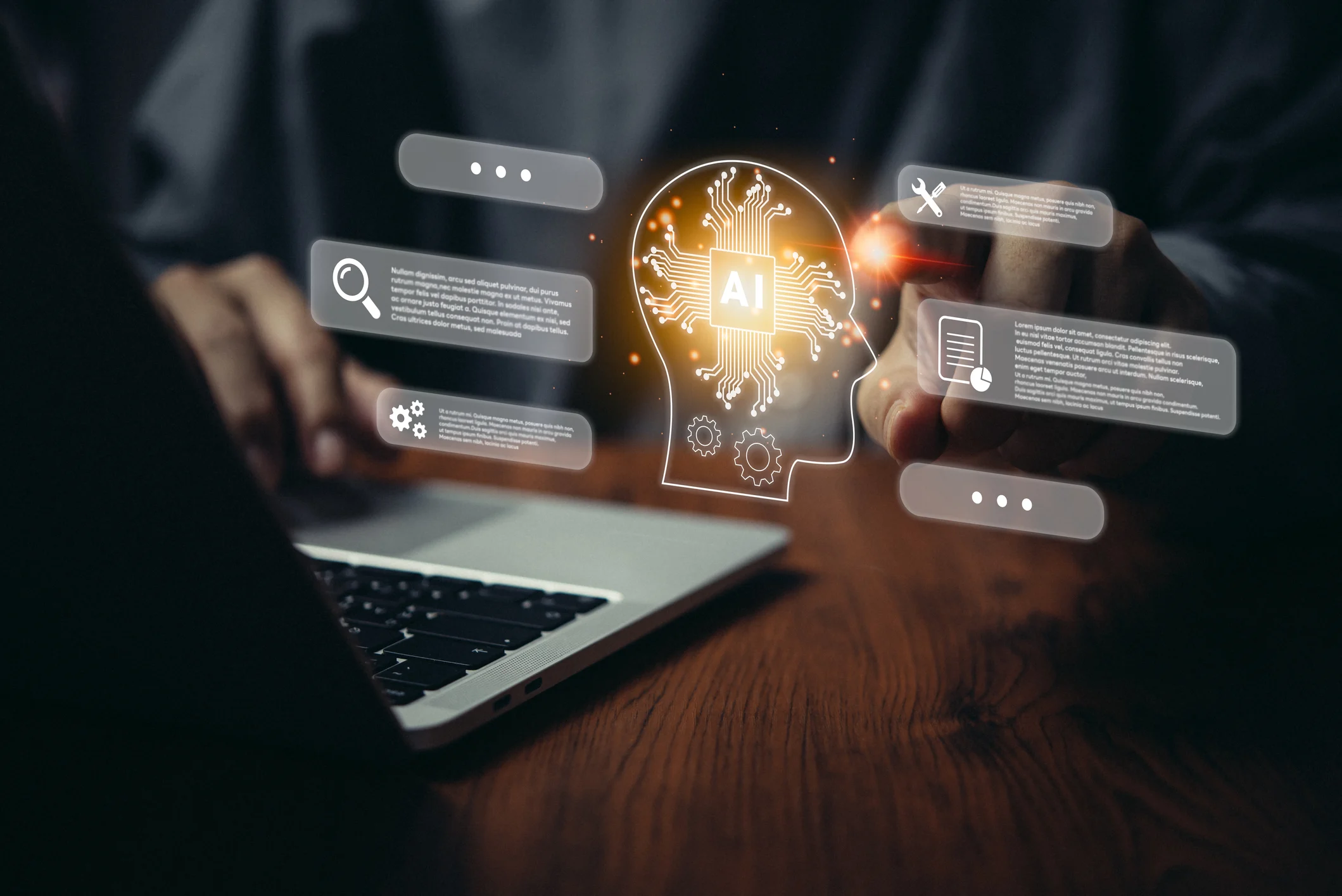
AI in Marketing
Posted by:
|
On:
|